During Road Safety Week (16-22 November) we’re backing calls by national road safety charity Brake for drivers to make sure their vehicles are safe for the road. Each day five people are killed on UK roads, but safer vehicles can save lives.
Every year, more than 1,700 people die on UK roads. Another 30,000 receive serious, life-changing injuries.
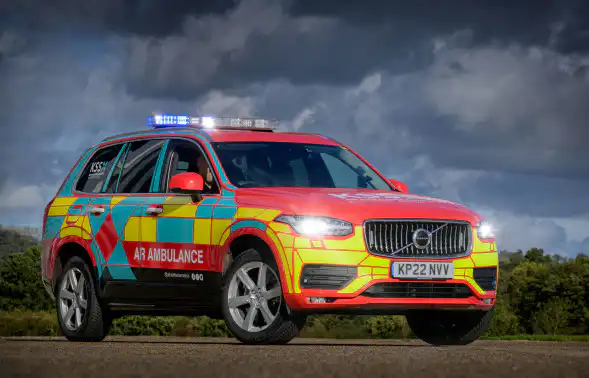
Within Kent, Surrey and Sussex, road traffic collisions continue to be the single most frequent type of incident attended by our crews, accounting for over a quarter (26%) of our missions last year (*). So far this year, we’ve attended nearly 800 road traffic collisions.
Safe vehicles help make roads safer for everyone by protecting against human error. Modern vehicles are designed to prevent crashes and protect occupants if a collision occurs.
Throughout the week, we’ll share advice on social media from our crew on staying safe — including reminders to use the latest vehicle safety technology (where fitted) and how to carry out regular safety checks.
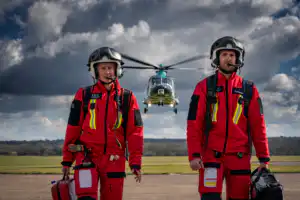
KSS Clinical Director, Allan McHenry commented: “At KSS, we see first-hand the devastating impact of road traffic collisions every day. Road Safety Week is a vital opportunity to raise awareness and encourage everyone to think about how we can make our roads safer. As a charity that responds to some of the most serious RTCs, our critical care teams deliver lifesaving interventions at the scene, including emergency anaesthesia, blood transfusions and even open-heart surgery.
“We believe every road crash is a preventable tragedy, and we stand with Brake in calling for safer vehicles and safer choices. Together, we can help save lives. The latest vehicle safety technology, such as intelligence speed assistance, can help make us safer, but only if we keep these features switched on and make use of them.
“It’s also important for drivers to ensure their vehicle is well-maintained all year round and to carry out essential safety checks, ideally before every journey. At KSS we check the roadworthiness of our Rapid Response Vehicles at the start of every shift, and we encourage all drivers to make sure their vehicles are fit for the road.”
Use ‘TRIP’ to remind you what to check before setting off:
- T is for top up. Top up your fuel, your oil, your screen wash.
- R is for rest. Make sure you plan enough stops.
- I is for inspect. Inspect your tyre pressure and your tyre treads.
- P is to prepare. Prepare for all the weather conditions that you may encounter.
For more information about making your vehicle safe for the road, see.brake.org.uk/road-safety-week
(*Air Ambulance Charity Kent Surrey Sussex (KSS) Annual Report 2024/25)