International Control Room Week 22- 28 October.
Before a helicopter lifts off or a rapid response vehicle is dispatched, before a critical care team reaches a patient, and before lifesaving treatment begins, there is a highly skilled dispatcher making crucial decisions that could change the course of someone’s worst day.
To mark International Control Room Week, we are shining a spotlight on our specialist Helicopter Emergency Medical Service (HEMS) Dispatchers. Working 24 hours a day, 365 days a year, these highly trained professionals analyse rapidly evolving emergencies, make complex decisions under pressure, and coordinate multiple agencies to help ensure patients receive the right care, at the right place, at the right time. Their expertise can make a lifesaving difference.
Working alongside colleagues from South East Coast Ambulance Service, our dispatchers monitor thousands of calls every day identifying those patients who could benefit most from the enhanced critical care our highly-skilled teams can provide.
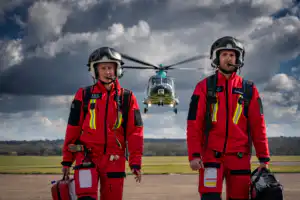
Once a team has been dispatched, by helicopter or rapid response vehicle, the work is far from over. Dispatchers continue to work with hospitals, and other emergency services including SECAmb, police, fire service and coastguard teams, helping to ensure our crews can reach patients safely and operate effectively at the scene and get patients to the right hospital as quickly as possible.
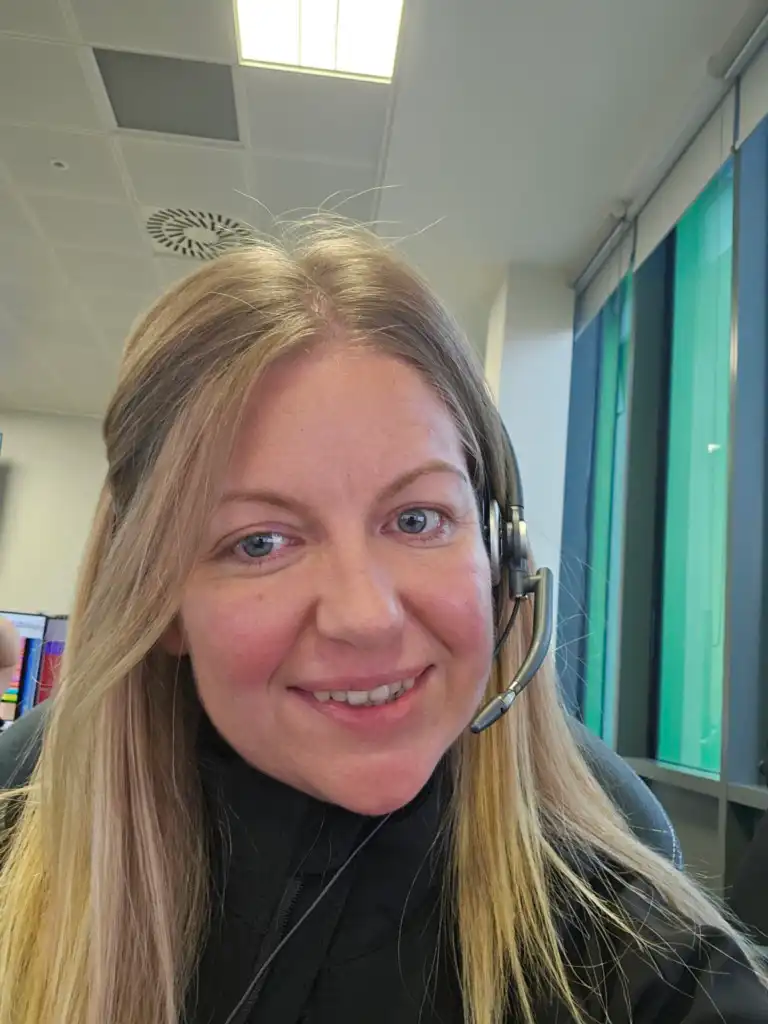
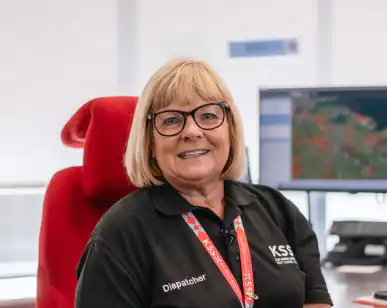
We spoke to some of our dispatchers about their role and the challenges they face:
Tabitha Cook: ““I’ve worked as a HEMS Dispatcher for almost five years, having previously worked as a dispatcher in the ambulance service. I really enjoy working closely with the medical teams and pilots, and being part of a team all working towards the same goal.
“One of the biggest challenges is having to make decisions quickly when there can be limited information available, while prioritising multiple things and maintaining situational awareness as things constantly change. People are often surprised by how involved the dispatcher is throughout a mission; it isn’t just a case of sending the team and moving onto the next mission”.
Sophie Pitt: ““I had worked within the NHS for nearly 9 years, starting as a 999 call taker, then moving on to be a Resource Dispatcher before realising I really wanted to make more of a difference to the patients within our community and applied for the role as HEMS Dispatcher. I really enjoy helping to get the right level of care to our sickest patients. I think the biggest challenge is having to decipher the right information from listening to 999 calls when not being able to see what’s going on.“
Tom Fisher: “As dispatchers we listen to lots of calls trying to pick out important information and find the most critically ill patients. I enjoy the fact that every day there is a different challenge to overcome but I always feel supported by the teams I work with. It can be hard listening to calls when people are having the worst day of their life, but being able to help them is very rewarding.”
Carol Lewis: “There can be two or three incidents at once where an enhanced care team could make a difference, but our resources are limited. We have to listen carefully, assess the information and decide which patient is most critically ill or injured at that moment. It is never a case of simply choosing one – every dispatch decision has to be considered.”
“One of the most rewarding parts of the role is meeting patients and their families afterwards. People often see the clinical team and pilots at the scene, but they may not realise that dispatchers were part of that journey too. Being able to explain how we identified their call and helped get the right team to them makes those meetings very special.”
While our doctors, paramedics and pilots are often the people the public see, every KSS mission starts with the expertise and judgement of our HEMS Dispatchers. Working behind the scenes, they constantly monitor emergency calls, assess complex and often limited information, and make critical decisions about when and where our specialist teams can have the greatest impact. Their role requires exceptional situational awareness, clinical understanding and the ability to remain calm under pressure, often while managing multiple serious incidents at the same time.
Most people will never meet the dispatcher who helped coordinate their care, but their contribution is every bit as important as those working at the patient’s side. During International Control Room Week, we are proud to recognise and thank our dispatchers for the vital role they play in helping us provide lifesaving critical care across Kent, Surrey and Sussex, 24 hours a day, 365 days a year.