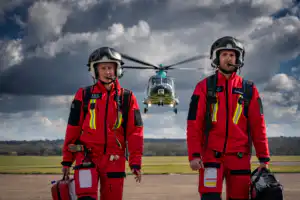
Careers in HEMS
In the UK, there are currently around 410,000 registered doctors with the General Medical Council (GMC) and just under 42,000 registered paramedics with the Health and Care Professionals Council (HCPC). While many doctors work within the hospital care system and paramedics work within frontline ambulance services, only a relatively small percentage develop a specific pre-hospital critical care interest and ultimately may transfer into HEMS positions.
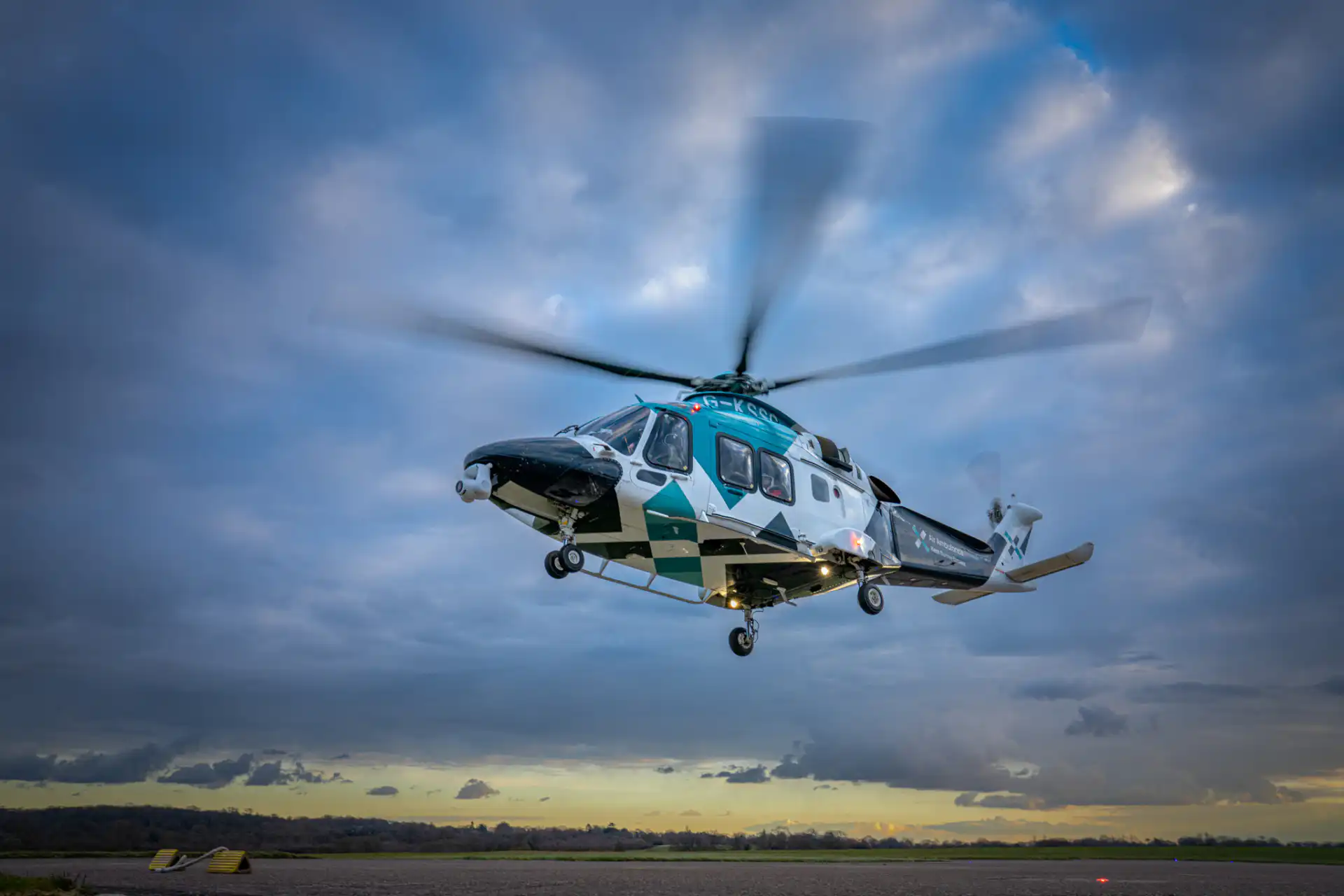
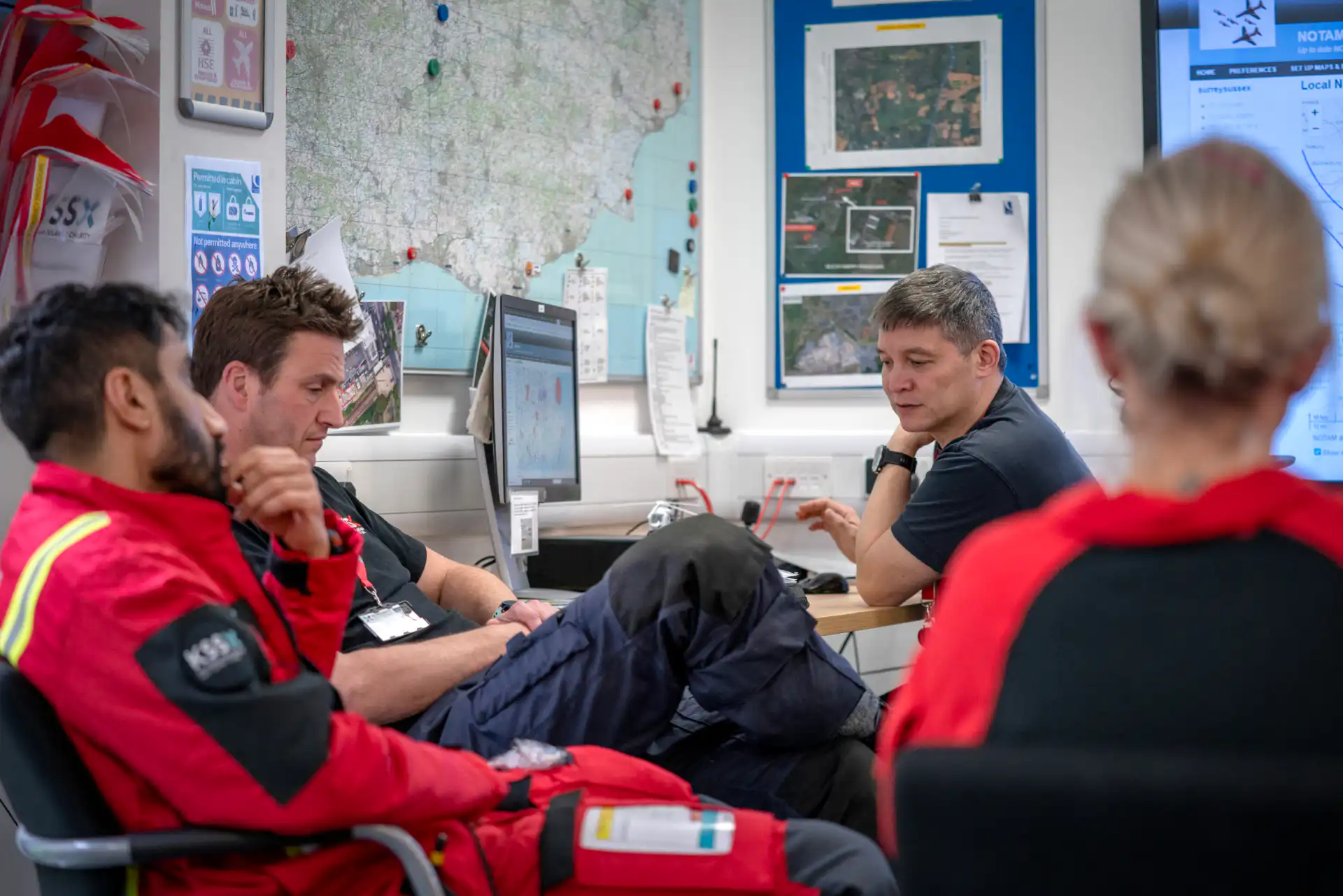
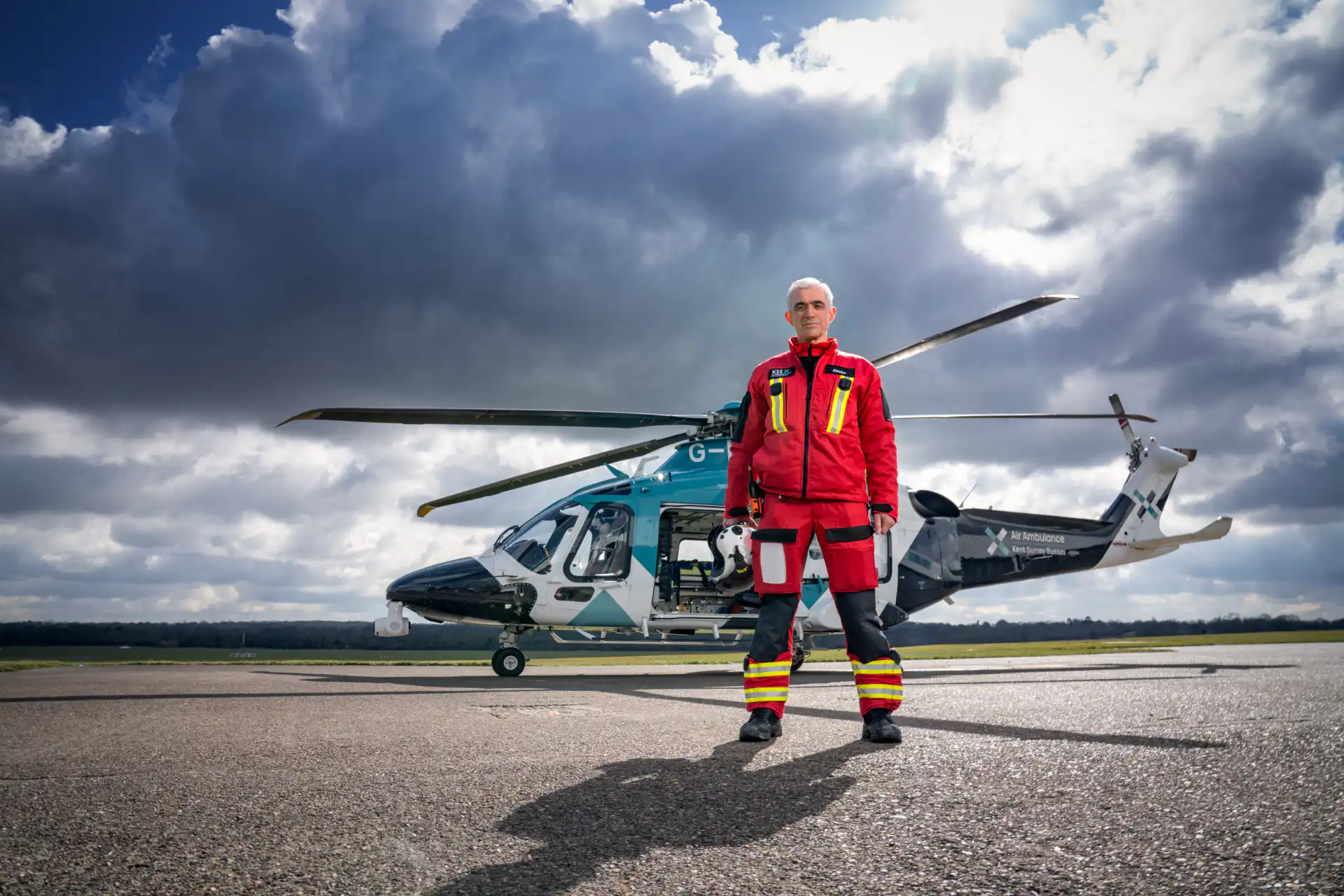
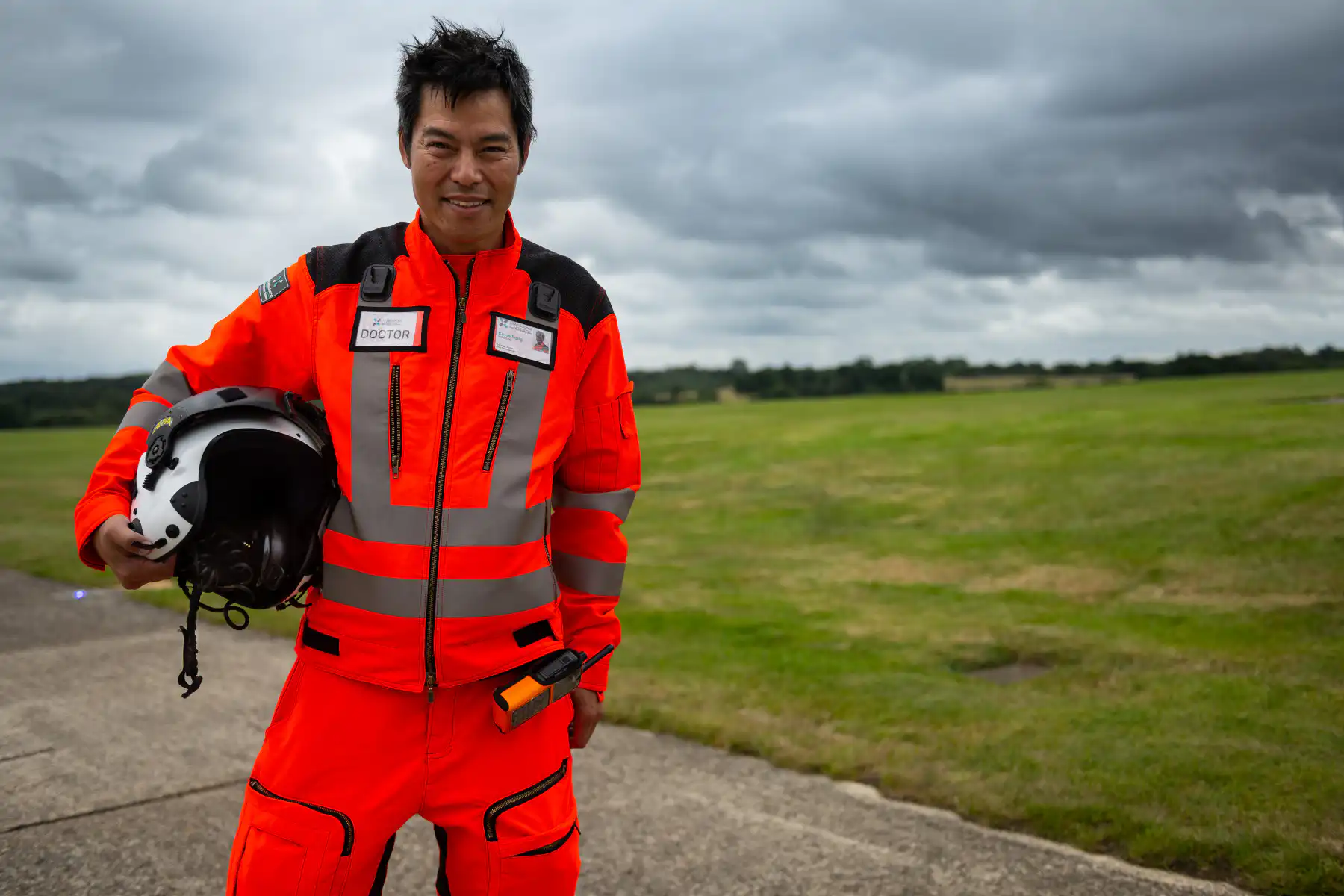

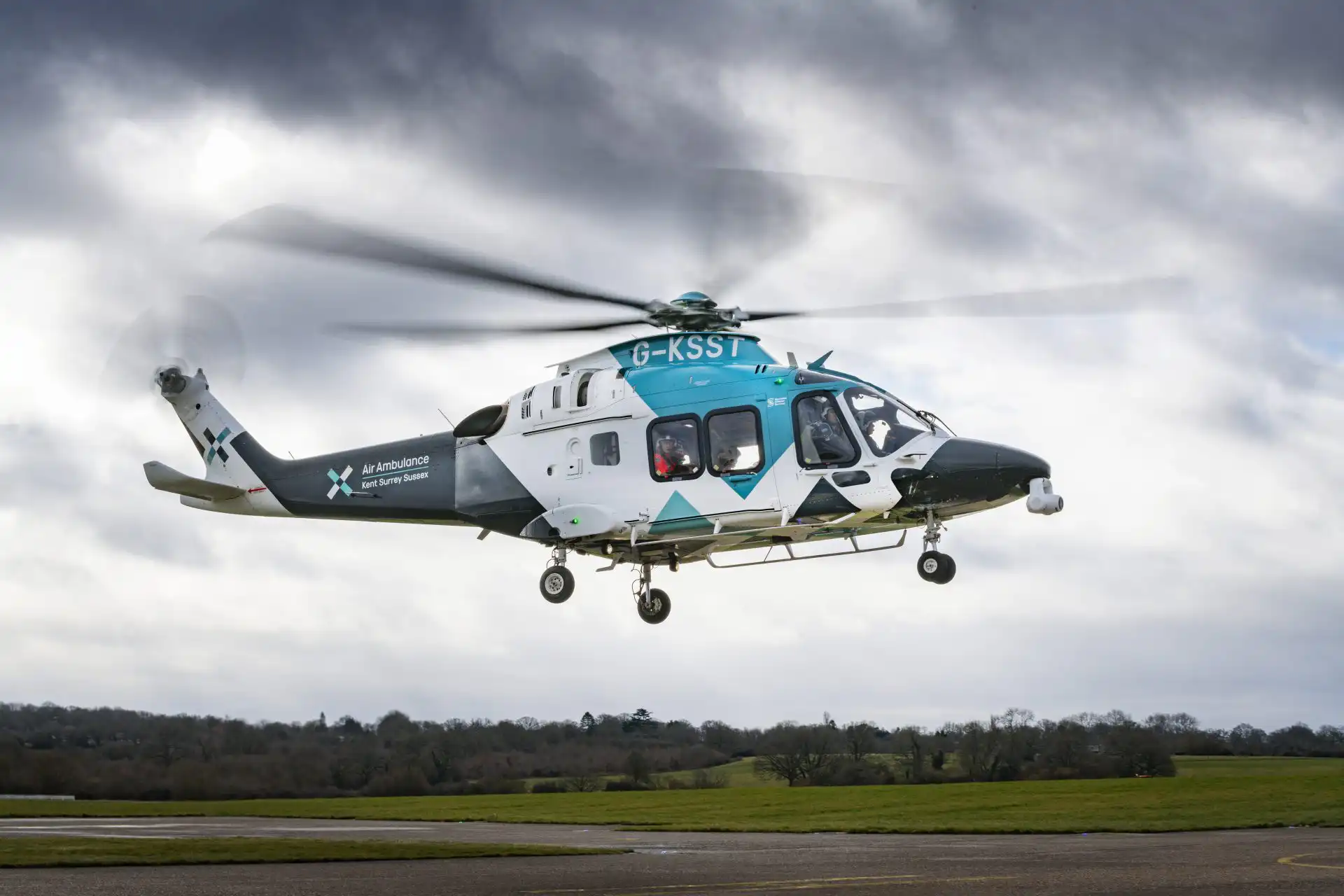
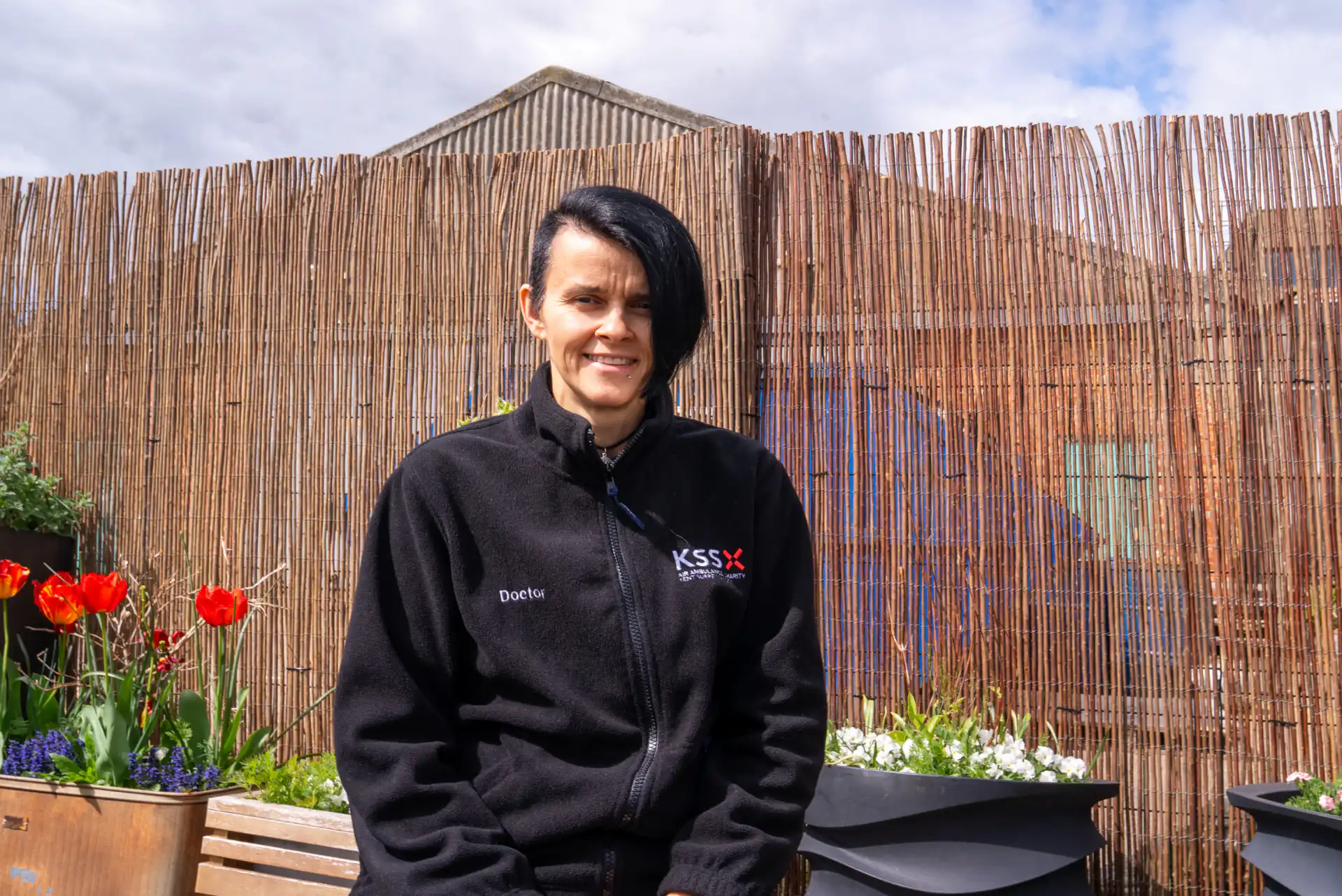
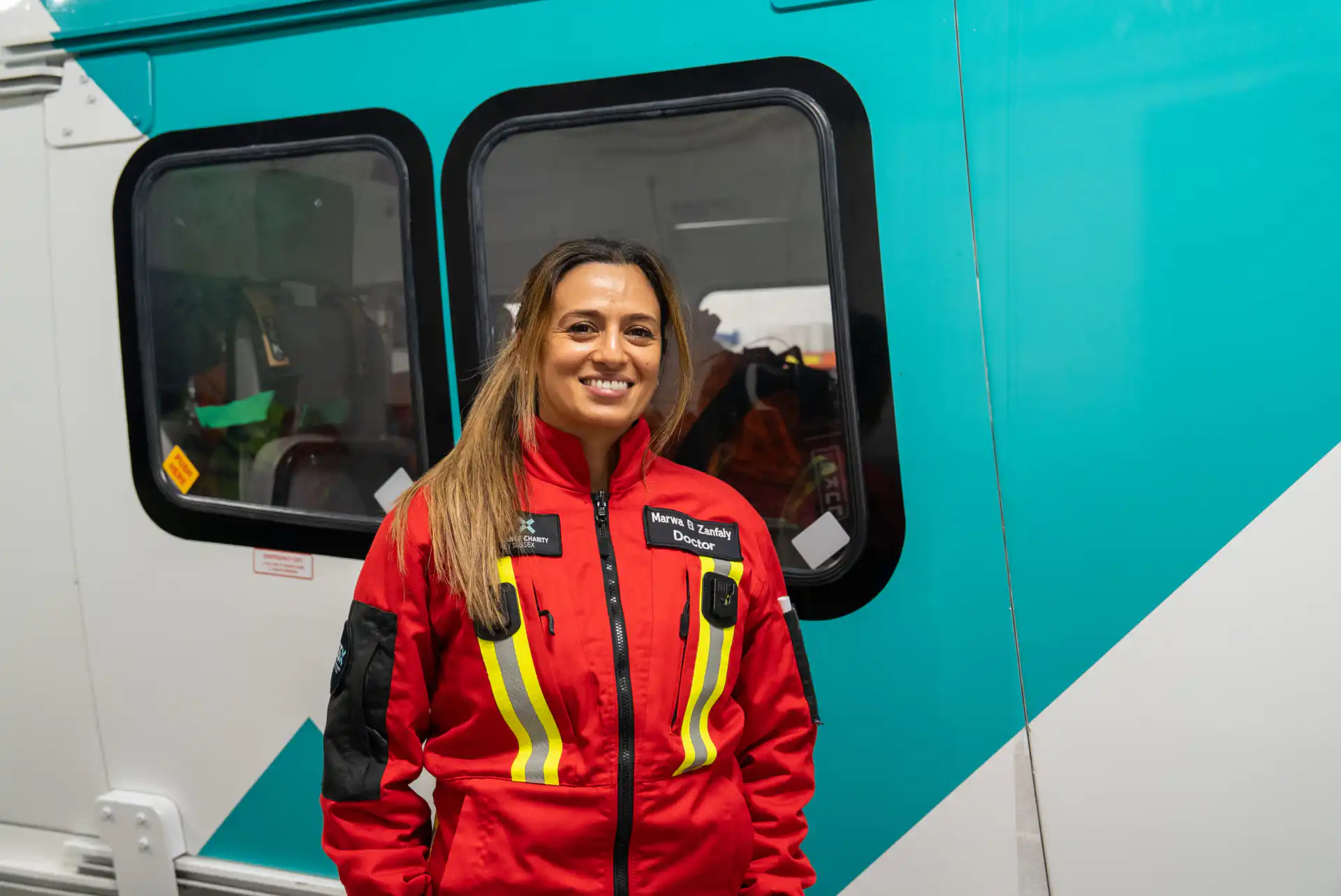
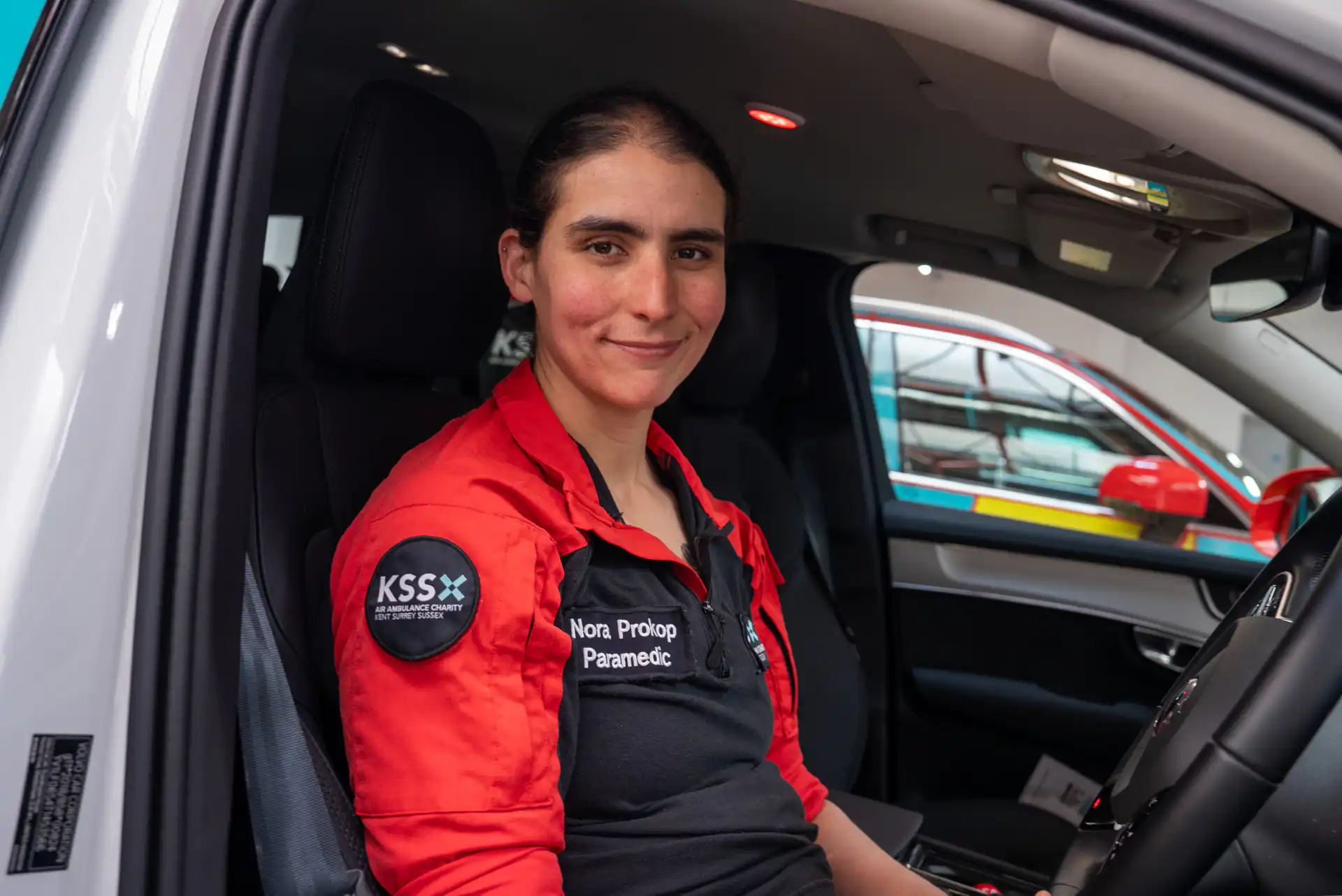
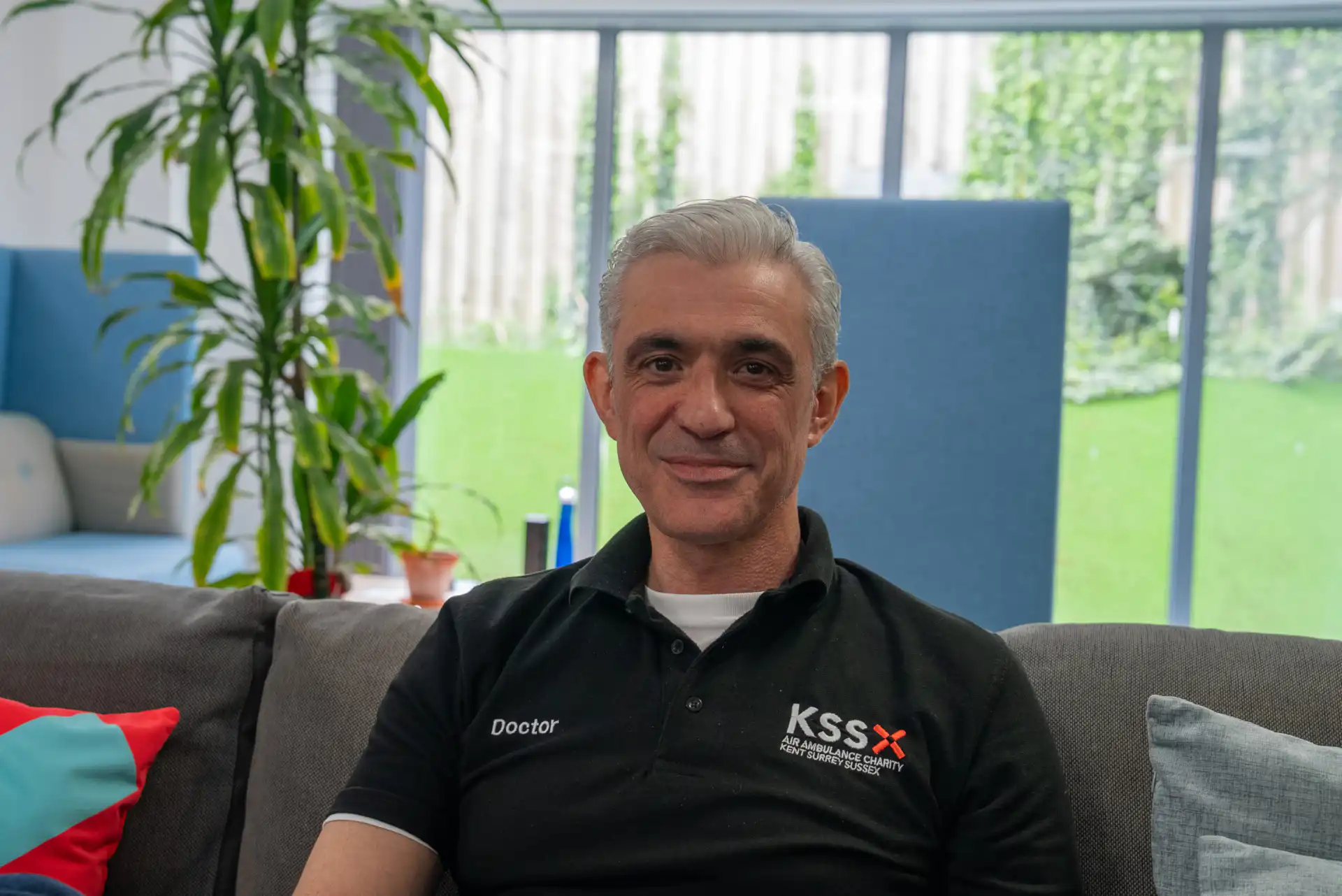
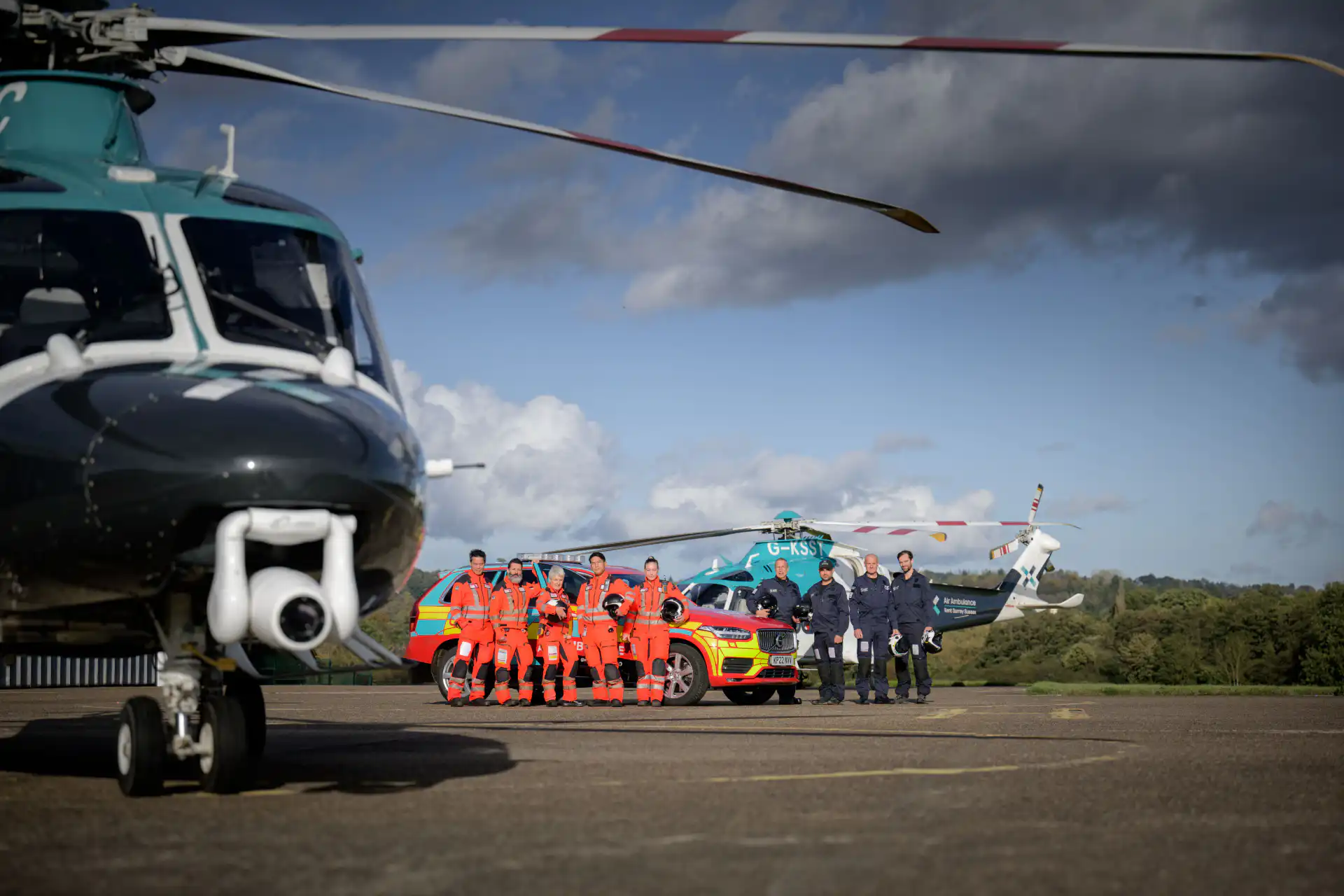
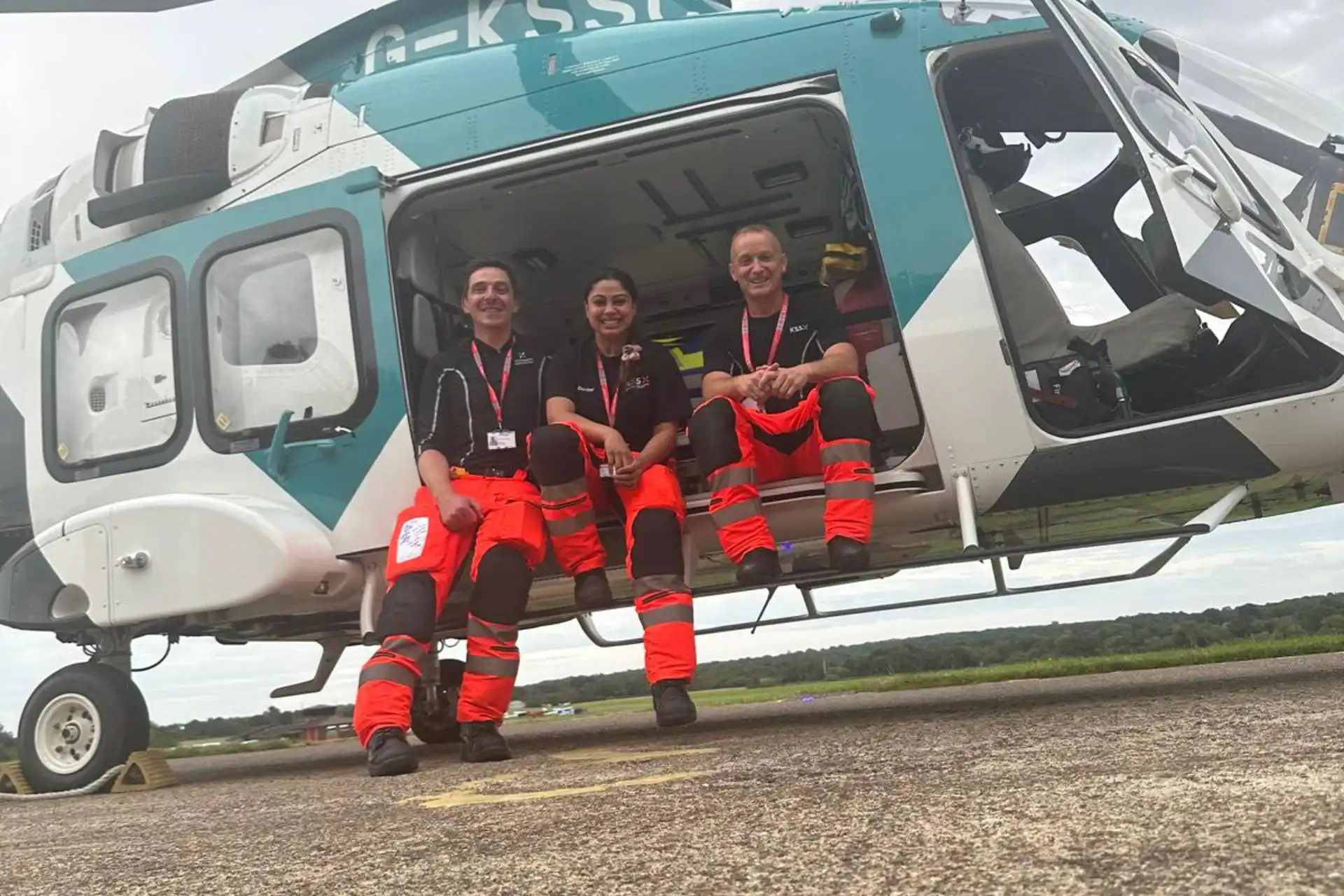
This resource has been developed for domestic doctors and paramedics with a particular interest in progressing towards Pre-Hospital Emergency Medicine (PHEM) and Helicopter Emergency Medical Services (HEMS).
If you are an international clinician, please read our guidance for overseas clinicians.
The guidance on this page is shaped by the lived experiences of clinicians who have successfully navigated and secured roles within PHEM/HEMS at Air Ambulance Charity Kent Surrey Sussex (KSS). It is intended as a practical guide only, offering insights, tips, and reflections to support you as you begin or continue your professional journey through medicine and pre-hospital care. While everyone’s pathway is unique, we hope the shared experiences captured here will inspire and help you better understand the process and prepare for the opportunities ahead.
Your pathway to HEMS
What is HEMS?
Helicopter Emergency Medical Services (HEMS) brings advanced critical care to patients at the scene of life-threatening illness and injury. HEMS clinicians work as part of highly skilled multidisciplinary teams, delivering specialist interventions that would normally only be available in a hospital emergency department or intensive care setting.
Our doctors and paramedics respond to a wide range of emergencies across Kent, Surrey and Sussex, including major trauma, cardiac arrest, medical emergencies and incidents involving critically ill children.
A career in HEMS is challenging, rewarding and highly competitive. There is no single route into the specialty, with clinicians joining from a range of professional backgrounds. What they share is a commitment to clinical excellence, continual learning, teamwork and improving patient outcomes.
At KSS our operational crew consists of two pilots alongside an enhanced critical care team that includes at least one doctor and one paramedic.
Is HEMS right for me?
HEMS clinicians operate in dynamic and often challenging environments. Alongside strong clinical skills, the role requires excellent communication, leadership and decision-making abilities.
Many successful HEMS clinicians demonstrate:
- A passion for patient care
- Strong teamwork and collaboration skills
- The ability to remain calm under pressure
- Interest in pre-hospital emergency medicine (PHEM)
- A commitment to lifelong learning
- Experience managing complex needs of seriously unwell or injured people
- An enthusiasm for teaching, education and quality improvement
While clinical experience is essential, non-technical skills are just as important.
Routes into HEMS
There is no single route into HEMS. Successful clinicians come from a variety of backgrounds and specialities, bringing different experiences and perspectives to the role. The examples below illustrate some of the common pathways into pre-hospital emergency medicine.
Guidance for doctors
HEMS doctors typically come from backgrounds such as:
- Emergency Medicine
- Anaesthetics
- Intensive Care Medicine
- Acute Medicine
- Military Medicine
Many clinicians develop an interest in Pre-Hospital Emergency Medicine (PHEM) during their training and go on to pursue fellowships, postgraduate education and, where appropriate, formal PHEM subspecialty training.
Along the way, doctors often build experience through:
- Emergency and critical care rotations
- Education and teaching
- Research and audit projects
- Governance activities (read more under ‘Gaining experience’)
- Observer shifts (read more under ‘Gaining experience’)
- Simulation training
- Pre-hospital care experience
Every route is different, and there is no single career pathway that guarantees a future HEMS role.

A letter from Dr Duncan Bootland
Executive Medical Director
KSS
A letter from Dr Duncan Bootland
Medical Director, KSS
Obtaining a physician post at Air Ambulance Charity Kent Surrey Sussex (KSS) is something that we know is very desirable and we receive a large number of applications every time we advertise. Whilst recognising it’s a very competitive process, here is the advice I would give to people at various stages of their career when thinking about applying.
Before I start, the below is advice for applying for a stand-alone post with KSS and does not necessarily cross over to national PHEM training programme applications. I’d like to think it’s good general advice but if you’re thinking about applying for IBTPHEM training, it would be sensible to seek separate advice from someone (or ideally a few people) who have recently been through that process.
For those who are still medical students or are resident doctors in the early stages of their career, the most important advice is that we select doctors largely from the specialities of Anaesthetics, Emergency Medicine and Intensive Care Medicine. There are a few exceptions for doctors who come from specific military backgrounds but largely these are the three main ‘feeder’ specialties. Regardless of your ‘base’ specialty, you’ll need to have at least 6 months experience of both Anaesthetics and Emergency Medicine and have gained the Initial Assessment of Competence in Anaesthesia. For those in the early stages of their career, the most important bit is to ensure you’re building a strong foundation in your base specialty, regardless of which it is. All our best doctors are excellent in their in-hospital specialty.
For those who are applying from abroad, we will expect an equivalent level of professional training but given the differences in training programmes, if you are concerned about whether you meet the professional requirements, we’d encourage you to contact us before making an application.
Whilst we are keen to see ‘commitment to pre-hospital care’ that doesn’t mean to the exclusion of the other aspects of training that support your in-hospital practice, and it definitely doesn’t mean taking part in often expensive pre-hospital training courses. We’re more interested in audit or service improvement work related to the types of patients we treat (critically ill and injured medical and trauma patients) and especially where that relates to the first 24 hours or so of their care.
Prior pre-hospital experience does add value for us but less in terms of caring for pre-hospital patients and more in terms of gaining an understanding of what working within the pre-hospital environment feels like, what the patient journey looks and feels like before they reach hospital and how the ambulance service functions.
A demonstrable ability at being a good team worker is very helpful and there are myriad (enjoyable) ways you might demonstrate that.
For those further on in their training and starting to think about making an application, it’s worth bearing in mind that the short-listing process is probably the highest hurdle and so time spent understanding and then filling out the application form is invaluable. Consider whether it would be worth looking at the application form a year or two before you might be ready to apply and think about where you need to focus your efforts to ensure you can make the strongest application. Whilst we review the process each year and often slightly modify the process based on what we’ve learned, there are not usually dramatic changes.
Before applying, many people will want to join us on an observer shift and it’s true that this can provide an insight into the reality of what working for KSS is like. However, in our opinion an observer day on a clinical shift is less valuable than being a guest at one of our clinical governance days. Bear in mind a couple of things though, there is a long waiting list and, in part because of that, we are only able to accept physician observers at ST4 level and above (5 years post qualification) and you must attend a CGD before being added to the waiting list for an observer shift. Whilst joining us as an observer adds benefit in terms of making clear on the application you understand how we work at KSS, it adds only a little in terms of the overall scoring of the application.
Currently we advertise via an NHS Trust and so use the NHS application form (Trac). We create a job description for the post, with essential and desirable attributes for the candidates, and Trac then uses that to create a scoring matrix. Given the competitiveness for the posts, you’ll need to be scoring highly in most if not all the domains on the job description. To give yourself the best chance, make sure your application form demonstrates that and use the ‘free text’ boxes wherever you can to make sure it’s clear to those reading how you fulfil each domain, if the more standard boxes haven’t provided you that opportunity. Remember though, the short listers will be reading many, many applications and so writing War and Peace into the free text box isn’t likely to generate the outcome you want.
There are parts of the criteria that are obvious and some that take a little more thought in how you can demonstrate them. Leadership and management experience are easier if you’re already a Consultant but harder if you’re still in a Specialty Training post. If you’re struggling to get practical experience in an area, think about how you might cover that off with training courses or similar that, as well as supporting your application, will support future in-hospital Consultant posts.
Alongside the essential and desirable criteria, we’re going to want to understand why you’re applying. This sounds obvious but we’d like to know why you want a HEMS job at all, and why you want one at KSS specifically. Think about what you’ll gain from the post with us and potentially what you think we’ll gain from having you.
For those already in Consultant posts, it’s never too late to apply and we’re supportive of applicants regardless of seniority. Consider all the advice above but on top of this, try to consider the breadth of experience you’ve built, both clinical and non-clinical, and how that might support you in a HEMS doctor role. Endeavour to demonstrate that in the application form and specifically in relation to the essential and desirable criteria. We feel all clinicians regardless of seniority will benefit from a HEMS secondment at KSS; consider what it is you’re hoping to get out of the secondment as part of your professional development as a Consultant and think about how you can demonstrate that at different parts of the application process.
Whilst I wish you success, it’s a simple fact of number of posts available versus number of applications that your application might not be successful and for many people who have always succeeded, that can be challenging. We do our best to provide feedback, but the anonymous nature of the process makes it difficult to be too specific. If you’re not successful, perhaps ask a trusted colleague to review your form against the desirable and essential criteria and see where you might improve for the next attempt.
Once through short-listing you’ll be invited to a selection half-day which is different to most medical selection processes you’ll have been involved in. Whilst we evolve things between every selection event, during the half day we are likely to ask you to take part in some clinical scenarios, a fitness test, a short presentation (the title of which you’ll receive beforehand) and
an interview. The clinical scenarios are designed to look at characteristics we are interested in (team working, communication and nontechnical skills as examples) and are designed to be fair to those with and without prior pre-hospital experience – we’re not expecting you to demonstrate you already know how to be a HEMS doctor. The fitness test is simply a test of whether you can undertake the physical aspects of the role, not a test of super-human fitness, and is manageable by everyone with a moderate degree of fitness. The interview will be more in keeping with what you’re used to in terms of being asked questions by a small panel from KSS. The questions vary every time we run it but standard interview advice applies to this one too: it’s invaluable to have people you trust practice interview you and then provide honest, constructive feedback before the day. We aim to keep the interview as ‘conversational’ as we can and try to remember we’re very keen to see the real, relaxed you. There aren’t any perfect answers and the way you answer the question is often more important than the specifics of the answer.
I hope the above is valuable. Good luck in your application!
Duncan Bootland
Executive Medical Director
Air Ambulance Charity Kent Surrey Sussex
Guidance for paramedics
HEMS paramedics are experienced clinicians who have developed advanced knowledge and skills in the management of critically ill and injured patients.
Many have built experience through:
- Frontline 999 ambulance work
- Advanced clinical practice
- Critical care qualifications
- Teaching and mentorship
- Clinical governance activities (read more under ‘Gaining experience’)
- Research and service development
As with doctors, competition for HEMS roles is strong and successful candidates often demonstrate a broad range of clinical, operational and professional experience.
Emergency response driving experience is also an important part of the HEMS paramedic role. At KSS, HEMS paramedics will be required to drive rapid response vehicles to incidents, often in challenging and time-critical situations. As a result, clinicians are expected to be highly experienced blue-light drivers, holding a valid UK driving licence with no more than three penalty points and hold a recognised emergency driving training qualification.
A letter from Emma Parkhe
Executive Officer/Paramedic
KSS
A letter from Emma Parkhe
Executive Officer/Paramedic, KSS
Working in HEMS is a highly sought-after role, which I feel very lucky to undertake. The opportunity to care for critically ill and injured patients, work within a highly skilled multidisciplinary team and make a difference at some of the most challenging moments in a patient’s journey is both rewarding and professionally fulfilling.
For those considering a future career in HEMS, my advice would be to focus first on becoming an excellent paramedic. While advanced clinical knowledge and technical skills are important, success in HEMS requires much more than that. The clinicians who thrive in this environment are those who consistently demonstrate sound clinical judgement, patient-centred decision-making and the ability to adapt to complex and often uncertain situations.
Before thinking about HEMS, focus on mastering your current role. Seek opportunities to manage seriously unwell patients, lead on scene, work in a variety of operational environments and build confidence in autonomous decision-making. The experience gained through day-to-day ambulance practice provides the foundations that HEMS clinicians rely upon every day.
One area I would particularly encourage people to develop is their non-technical skills. The principles of Crew Resource Management (CRM), including communication, situational awareness, leadership, task management and the effective use of available resources, underpin almost everything we do. The ability to communicate clearly, work effectively within a team and make good decisions under pressure is just as, and at times more important as clinical expertise.
HEMS is very much a team sport. As a HEMS paramedic, you will work closely with fellow paramedics, doctors, pilots, ambulance crews, emergency departments and partner agencies. We value clinicians who contribute positively to those around them, demonstrate professionalism and are willing to learn. Some of the strongest candidates are not necessarily those with the most impressive CVs, but those who can demonstrate self-awareness, resilience and a commitment to continual improvement.
Many aspiring HEMS paramedics focus solely on additional qualifications or specialist courses. While these can be valuable, they are rarely a substitute for strong operational experience and clinical credibility. We are looking for clinicians who are trusted by their colleagues, remain calm under pressure and have a proven track record of delivering high-quality patient care.
If you are considering applying for a HEMS role, take time to understand the organisation, its values and the communities it serves. Seek feedback from trusted colleagues and mentors, reflect on the experiences that have shaped your development and think about what you could bring to the team.
Most importantly, be yourself. Authenticity, professionalism and a genuine commitment to patient care go a long way.
I hope this advice is helpful. Whether a HEMS role is something you are considering now or further into your career, focusing on becoming the best clinician, teammate and leader you can be will always be time well spent. I wish you the very best in your journey and maybe even work with you at some point in the future!
Emma Parkhe
Executive Officer
Air Ambulance Charity Kent Surrey Sussex
Guidance for international clinicians
We are committed to supporting aspiring HEMS clinicians from a wide range of backgrounds. If you are joining the UK healthcare system from overseas, there may be additional steps on your journey towards a career in HEMS. Our roadmap provides practical advice, resources and personal experiences from clinicians who have successfully navigated this process.
Gaining experience
While there is no guaranteed route into HEMS, there are many ways to learn more about the specialty and build experience. Volunteering or working in event medicine can be particularly valuable, offering opportunities to develop skills outside the traditional hospital setting and gaining experience that paramedic colleagues get from their day to day roles.
Governance Days
Clinical governance sits at the heart of delivering world-class patient care. Our Clinical Governance Days provide a structured environment to review clinical cases, share learning, explore emerging evidence, hear from expert speakers and reflect on patient outcomes. If you are considering a future in HEMS, attending a Governance Day is one of the best ways to understand what the role is really like, providing first-hand exposure to the clinical challenges, decision-making processes and reflective learning that shape pre-hospital emergency medicine.
Our Governance Days provide opportunities for clinicians to:
- Review clinical cases
- Share learning
- Discuss patient outcomes
- Explore current evidence and research
- Learn from experienced speakers Network with colleagues from across healthcare
Governance events are an excellent way to better understand the speciality while supporting your own professional development.
Be part of our Clinical Governance Days
Our ability to ensure that we deliver world-class care to our patients is built upon our Clinical Governance Programme. The programme follows a rolling syllabus cycle that ensures we focus on all of the key clinical aspects and themes of our service delivery and care.
The delivery of our programme is centred around our 52 Clinical Governance Days (CGDs) a year which provide a structured environment for us to audit our practice, review and critique current and emergent evidence, and learn from subject matter expert speakers. The day also provides an opportunity for crew to undertake skills assurance. This helps to develop and refine their operational and psychomotor skills through focused skill stations or full incident moulages, related to the syllabus area being covered.
Peer-reviewed reflective practice of previous patient encounters provides valuable opportunities for clinicians to discuss, learn from and reflect upon specific treatment decision-making in an open and honest structured and governed environment. These case reviews therefore also form a key element of our CGDs and facilitate cross-organisation sharing of important clinical lessons and experience.
We are committed to sharing our knowledge, experience and learning with clinical colleagues (Doctors and Paramedics) from other organisations and therefore we invite a limited number of guests to join us on 12 CGDs each year, subject to our terms and conditions relating to confidentiality
To be added to the list for a Clinical Governance Day please email observer@aakss.org.uk
Places are limited and subject to confidentiality requirements.
Observer Days
Observer Days provide an opportunity to gain insight into the realities of HEMS and pre-hospital emergency medicine.
Participants can learn more about:
- The operational environment
- Team working within HEMS
- Clinical decision-making
- Equipment and vehicles
- The wider patient journey
Observer opportunities are subject to operational requirements, eligibility criteria and availability.
Observe one of our lifesaving missions
Are you a Doctor ST4 and above or a SECamb Band 6 Paramedic or above and looking to do an Observer shift with us?
Please note all guests must complete a Clinical Governance Day prior to applying for an observer shift and observer places are limited
We offer appropriately qualified clinical staff with an interest in pursuing a career in HEMS, or gaining a more granular first-hand insight to our service, the opportunity to join us for a shift to directly observe our medical crews.
Due to the unpredictable nature of our work, it is not possible to guarantee attendance at a live incident on the day. However, the observer shift will still provide a valuable insight into our ethos and capabilities of the HEMS Team.
Observer shifts are usually, but not universally, offered on Tuesdays with shift time commencing at 7am and concluding at 7pm, unless operational activity dictates a later finish.
To apply for an observer shift email observer@aakss.org.uk
Education and development
Many clinicians who are interested in HEMS actively engage with wider educational opportunities.
These may include:
- Conferences
- Simulation training
- Specialist courses
- Research projects
- Quality improvement work
- Teaching and mentoring activities
Developing a broad portfolio of experience can help strengthen both your clinical practice and professional development.
Guidance for international clinicians
KSS recruitment
We hold a highly-competitive recruitment process every 12 to 18 months, or subject to demand. From there, we will shortlist and hold an assessment day. If successful, positions are awarded at our KSS base at Redhill Aerodrome.
What is expected?
The recruitment process is not just selecting for knowledge, but assessing whether you are safe, effective, and adaptable. Strong candidates typically demonstrate:
Clinical credibility
- Specialty experience relevant to the post
- Progression through relevant exams
Non-technical skills
- Leadership under pressure
- Communication in high-stakes environments
- Teamwork across disciplines
- Situational awareness and decision-making
Reflective practice
- Ability to critically appraise experiences
- Evidence of learning and improvement
Professional maturity
- Understanding of role limitations
- Insight into governance, safety, and risk
- Realistic expectations of what working in a specific clinical role mean
Principles
Applications require more than listing experience. You need to show:
- How your skills meet the job requirements
- What impact you’ve had in previous roles
- Why you are applying for this specific position
The supporting statement is often the deciding factor.
Applying for a UK clinical role, including a HEMS Doctor or Paramedic one, is an extremely competitive process. Arguably being shortlisted is the most challenging part. There are usually high numbers of applicants for a small number of jobs. Shortlisters are often having to review hundreds of applications and filter down to tens of people going through to the assessment centre.
Many of the people applying undoubtedly possess the skills and knowledge required to be a good clinician, but it is about showcasing it within the application form. It is important to pay close attention to the essential and desirable criteria but avoid just listing that you possess these.
Those are the “what” but remember the “so what”. Strong applicants generally link how these criteria would benefit them within the role they are applying for, how it compliments their own personal attributes, and how these compliment the charity ethos or values.
Addressing all these elements in a concise manner is by no means easy but absolutely makes an applicant memorable when reading a high number of applications. It is also beneficial to demonstrate an ongoing commitment to a critical care role, so share the journey you have been on in preparation for applying for a HEMS role.
Sitting an interview
The interview is rarely about testing your clinical knowledge and skills as you will have showcased this through your application, short-listing process and/or clinical assessment session, and ordinarily the interviews are on a different date/time. This is intentional and allows you to focus on the interview as opposed to it being between clinical stations and the associated stress that comes with that. There is much more than just being a strong clinician, and so the panel will explore themes such as:
- How you operate in pressured environments
- How you function within a team
- Your communication style or how you manage conflict
- What resilience means to you
- Your knowledge of the charity and the wider work
- How you recognise your own limitations or seek help
This is an opportunity to get to know you professionally, but also to learn about you as an individual. Who you are is just as important as the content of your answer.
Clinical induction training
Doctors and paramedics who are successful in the KSS recruitment process will be required to complete an initial induction period to include:
- An induction to our charity
- A six-day KSS crew course
- A one-day medical passenger aviation course
- Lectures, workshops and simulation-based training
Following induction, clinicians undertake a period of supervised operational practice before being assessed and signed off to practise independently within the KSS service.
Finding clinical jobs
The best online resources for finding clinical vacancies include:
- NHS jobs: The main official portal for all NHS job vacancies across England and Wales job vacancies. It is the most comprehensive source for both doctor roles (consultant, GP, Speciality) and paramedic roles.
- Trac.jobs: Many NHS trusts use Trac as their recruitment system. Searching directly on Trac can provide quick access to vacancies across multiple Trusts.
In addition to NHS Jobs and Trac, the following resources can be helpful:
Doctor roles
- BMJ Careers: A leading recruitment platform for NHS doctor jobs, including hospital doctors, consultants, and GP vacancies
- Individual Trust websites: Many Trusts advertise roles on their own ‘Work for us’ pages, sometimes before they appear on national job boards
Paramedic roles
- South East Coast Ambulance Service (SECAmb): Lists roles like Newly Qualified Paramedics, Specialists, and Emergency Medical Advisors.
- Royal College of Paramedics Job Board: A specialist job board for paramedic-specific roles.
Frequently Asked Questions
Do I need previous HEMS experience?
No. While previous HEMS experience may be beneficial, most clinicians develop relevant skills and experience through their primary healthcare roles before moving into HEMS.
How competitive is HEMS?
HEMS positions are highly sought after, and recruitment processes are often competitive. Developing both clinical and non-clinical skills can help strengthen future applications.
Who can attend Governance Days?
Availability and eligibility requirements will vary. To find out more, email observer@aakss.org.uk.
Can I observe a HEMS shift?
Observer opportunities may be offered subject to operational requirements, application criteria and capacity.
Can international clinicians work in HEMS?
Yes, to find out further information please read our guidance for international clinicians.
Who drives the Rapid Response Vehicles when the crew are not responding by helicopter?
One of the roles of the paramedic is the driving of the Rapid Response Vehicle, therefore paramedics are expected to be highly experienced blue-light drivers, holding a valid UK driving licence with no more than three penalty points and hold a recognised emergency driving training qualification.
At KSS, there is a team of approximately 80 paramedics and doctors (trainees, fellows and consultants), made up of a mix of secondments from the NHS and direct employees (on a full-time or part-time basis), who work alongside colleagues across the charity to deliver lifesaving treatment and care to those who are critically ill or injured.
We’re committed to a culture of inclusivity, respect, and diversity. We value the unique perspectives and experiences that our clinicians bring and are dedicated to ensuring equitable opportunities for all, regardless of background. We believe that a diverse workforce strengthens both our organisation and the care we provide to patients in our communities.
We recognise that starting the journey towards working in PHEM can feel daunting. Our aim is for this guide to answer common questions, provide clarity, and help ease some of the uncertainties you may face along the way.
We hope this resource proves helpful, and we wish you every success in your journey towards a HEMS career.
Disclaimer
This document is informed by lived experience and practitioner insight. It is intended as a supportive guide not a definitive or comprehensive source of information. Readers should refer to official guidance and relevant organisational or government websites for the most current and authoritative information. This content should not be used verbatim without consideration of local context and up‑to‑date policy.